
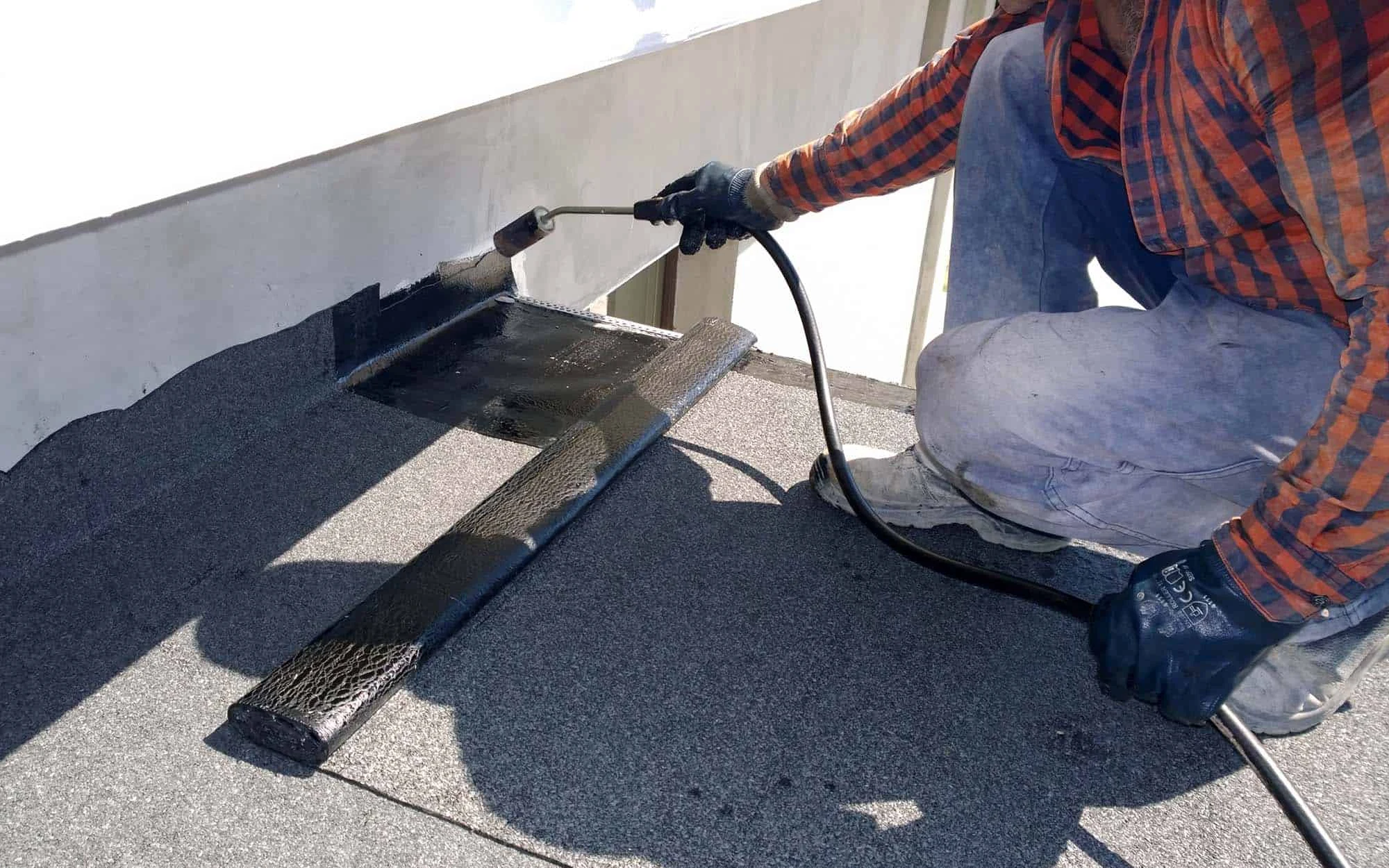
Modified Bitumen Roofing in Fayetteville, NC
Modified bitumen roof systems for Fayetteville medical, government, and school buildings carrying heavy rooftop equipment loads and frequent service traffic.
Modified Bitumen Roofing in Fayetteville, NC
Modified bitumen roof systems for Fayetteville medical, government, and school buildings carrying heavy rooftop equipment loads and frequent service traffic.
Modified Bitumen for Roofs Carrying Heavy Rooftop Equipment
Modified bitumen earns its place on buildings where the roof carries a lot more than weather: medical office buildings with dense rooftop mechanical loads, government buildings with decades of added equipment, and multi-tenant properties where redundancy matters more than lowest cost. We install and repair modified bitumen across Fayetteville's institutional and municipal building stock with that redundancy in mind.
Why Multi-Ply Redundancy Matters on This Building Type
A modified bitumen system's layered plies give it a level of redundancy a single-ply membrane doesn't have in the same way. If the cap sheet gets damaged by foot traffic during a mechanical service call, the ply underneath is still there. That matters on buildings like medical offices near the Cape Fear Valley corridor and government facilities that get frequent rooftop visits for HVAC, communications, or utility work, because those roofs take more foot traffic over their service life than a typical retail building.
Granulated cap sheets also give these roofs better resistance to the kind of foot traffic damage that shows up around access hatches and equipment pads over years of service calls.
Government buildings in this market also tend to run older mechanical systems that get serviced more frequently than newer equipment would need, which adds up to a lot of cumulative foot traffic over a roof's life. Modified bitumen's redundancy handles that traffic pattern better than a system built for a single accidental puncture rather than years of routine service visits.
Torch-Applied Versus Cold-Applied Near Sensitive Facilities
Torch-applied modified bitumen isn't always the right call near facilities with fuel storage, sensitive equipment, or restricted-access requirements, which comes up more often in this market given the base-adjacent government and institutional building stock. We use cold-applied or self-adhered modified bitumen systems on sites where open flame isn't appropriate, and we confirm site fire-safety requirements before ever specifying a torch-applied scope.
On sites where torch application is appropriate, we still stage the work with fire watch protocols and confirm clearances from anything flammable on or near the roof before starting, regardless of what the building's normal fire policy requires.
Scheduling Around Facilities That Can't Fully Close
Medical office buildings and municipal facilities generally stay open during business hours no matter what's happening on the roof. We phase modified bitumen tear-off and installation section by section, keep each finished section fully dried in before moving to the next, and route material hoists and dumpsters away from patient or public entrances.
For K-12 school buildings on this system, we schedule the loudest phases, tear-off and hot work, for after school hours or planned breaks whenever the calendar allows it.
We coordinate directly with building engineers and facilities staff on which mechanical systems can tolerate a brief shutdown during tie-in work and which need to stay running through the project, so patient-care areas or public service counters never lose heating, cooling, or power unexpectedly.
What We Check Before Recommending Modified Bitumen
- Rooftop equipment count, weight, and service-access foot traffic patterns
- Existing ply condition if this is a recover over prior modified bitumen
- Fire-safety and access restrictions specific to the site
- Flashing detail condition at the high number of penetrations these buildings tend to carry
- Drainage capacity given the roof's often-larger footprint
- Whether cold-applied or torch-applied fits the site's restrictions
Institutional buildings tend to have more penetrations and equipment curbs than a typical warehouse, and most modified bitumen failures we see start at those details, not the field membrane.
We also confirm whether a building's rooftop equipment has been added or upgraded since the last roofing project, since new curbs or conduit runs installed after the original roof was completed are a common source of flashing that was never properly tied back in.
On buildings with a long history of add-on equipment, we walk the roof with the facilities manager before writing a scope, since staff who've been on site for years often know which curb or vent was added off-schedule and never made it onto the original roof drawings.
Hurricane-Remnant Rain and Ply Systems
The heavy, sustained rain that comes through with remnant storms tests flashing and ply adhesion at every penetration before it tests the field. This region's memory of the rain totals from Matthew and Florence is part of why we check flashing condition at every service visit rather than waiting for a reported leak, particularly on buildings with as many penetrations as medical and government facilities carry.
Drain Maintenance Given Local Tree Cover
Modified bitumen's granulated surface can trap pine needles and pollen more than a smooth membrane, especially around drains and low-slope areas. We include drain and scupper clearing in maintenance visits on these roofs specifically because that granulated surface holds debris longer than a slicker membrane would.
Questions About Modified Bitumen
Can modified bitumen handle the equipment load on our roof?
Multi-ply systems generally handle rooftop equipment traffic better than single-ply membranes. We assess your specific load and traffic pattern before recommending a spec.
Is torch-applied roofing safe near our facility?
Not always. We confirm fire-safety requirements first and use cold-applied or self-adhered systems where torch work isn't appropriate.
Can you install this without closing our building during business hours?
Yes. We phase the work by section and route material handling away from public and patient entrances.
How do you handle roofing on a school building?
We schedule tear-off and hot work around the school calendar wherever possible, prioritizing after-hours and break periods.
How often should flashing be checked on a modified bitumen roof here?
At least twice a year, with an added check after any major wind or rain event given how many penetrations these roofs typically carry.