
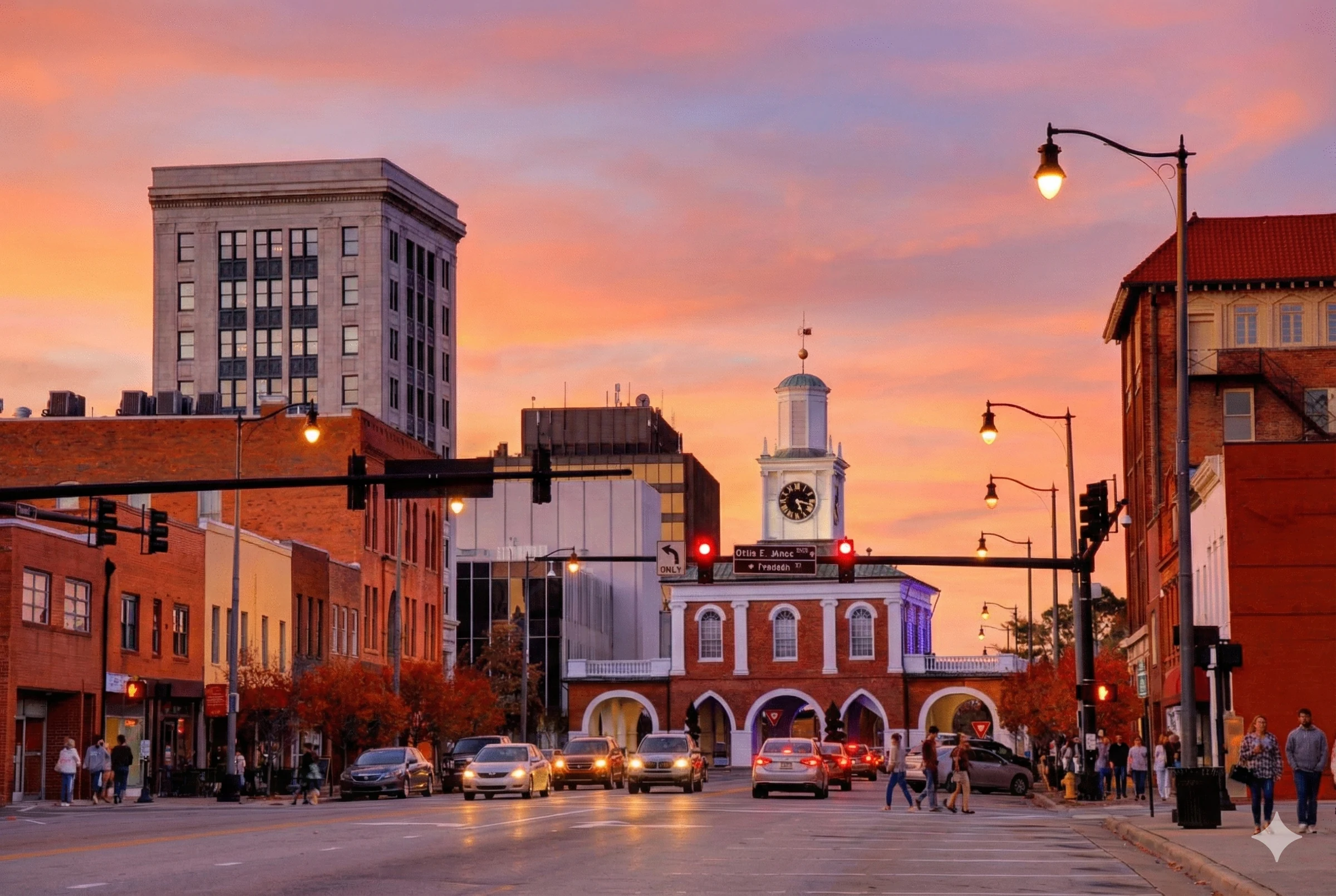
Commercial Roofing Contractors Parkton, NC
Commercial roofing contractors serving Parkton, NC with commercial roof repair, replacement, coatings, maintenance programs, inspections, and documented roof reports.
Commercial Roofing Contractors Parkton, NC
Commercial roofing contractors serving Parkton, NC with commercial roof repair, replacement, coatings, maintenance programs, inspections, and documented roof reports.
Commercial Roofing Contractors Parkton, NC
Commercial roofing contractors serving Parkton, NC with commercial roof repair, replacement, coatings, maintenance programs, inspections, and documented roof reports.
Commercial Roofing Contractors Parkton, NC
Commercial roofing contractors serving Parkton, NC with commercial roof repair, replacement, coatings, maintenance programs, inspections, and documented roof reports.
Commercial Roofers in Parkton
For commercial properties in Parkton, the defensible choice between repair, restoration, and replacement starts with roof-system condition, moisture findings, drainage performance, and remaining service life. Parkton sits just off I-95 in Robeson County, a small town that grew up on cotton and tobacco commerce long before the interstate gave it an exit number. What is left on the ground today is a mix of grain storage buildings, a handful of aging brick storefronts downtown, and newer metal buildings serving the exit, and every one of them has a roof that matters more at certain times of year than others.
An I-95 Exit With Deeper Roots
Unlike some exit towns that only exist because of the interstate, Parkton had a downtown and a working agricultural economy before I-95 came through. That history shows up in the roof stock: old brick commercial buildings with built-up roofs recoated across multiple decades, sitting a few blocks from newer pre-engineered metal buildings put up to serve exit traffic. We treat those two building types very differently.
Grain Bins and Storage Buildings Nobody Thinks About Until They Leak
Grain storage and ag processing buildings around Parkton get almost no attention between harvests, then suddenly matter a great deal when a crop needs somewhere dry to sit. A roof leak over stored grain is a spoilage problem first and a maintenance line item second, and the cost of ignoring it compounds fast once water gets into product. We check these buildings on a schedule tied to the harvest calendar, not a generic annual date that might land in the middle of a busy storage season.
The same applies to the older tobacco warehouse-style buildings still standing near downtown, timber and metal roof structures original to a different era of farming, patched over the years, still doing a job even if that job has changed.
Some of these warehouse buildings have been repurposed for general storage, small manufacturing, or equipment sheds since tobacco stopped moving through them the way it once did. The roof does not know the difference. A structure built to keep curing tobacco dry still needs the same drainage and flashing attention whether it is holding a crop or a contractor's equipment today.
Downtown Storefronts With Decades of Patches
The brick storefronts along Parkton's short downtown strip often carry roofs with several generations of repair stacked on top of each other: an old built-up system, a later modified bitumen cap sheet, maybe a coating applied at some point to buy a few more years. Some of these buildings share party walls, which means a drainage or flashing problem on one storefront's roof can show up as a stain on the ceiling of the building next door before anyone traces it back to the source. Reading that history correctly matters, because recommending a full tear-off on a roof that is mostly sound wastes an owner's money, and recommending another patch on a roof that is structurally failing just delays a bigger problem.
- Timber deck condition under older tobacco and cotton warehouse roofs
- Grain bin roof seals checked ahead of harvest season, not after
- Layered patch history on downtown built-up roofs
- Drainage away from building foundations on flat agricultural roofs
- Metal building fastener backout on newer exit-facing structures
- Flashing at old chimney and vent penetrations no longer in use
Timing Roof Work to the Harvest Calendar
We schedule ag storage roof work for the gap between crops rather than assuming any time of year works the same, and that gap is usually short enough that a repair plan has to be realistic about how many working days a crew actually has before the next cycle closes the window again. A grain bin roof needing repair in September, right before harvest, gets a different urgency and a different plan than the same repair scheduled for February. For downtown storefronts, we work around whatever the tenant's slow season looks like, often different from the ag calendar entirely.
What We Recommend for Older Ag Buildings
On a lot of the older storage buildings around Parkton, a recover or coating system extends useful roof life at a fraction of tear-off cost, provided the deck underneath has not taken on water damage. That decision changes if harvest season is close: a coating applied under time pressure right before a bin fills is a different job than the same coating applied with a full week to cure properly. See our roof recover and overlay page for how we make that call.
Common Questions From Parkton Building Owners
Can you get grain storage roof repairs done before harvest?
Yes, we prioritize ag storage buildings on a harvest-driven schedule rather than a generic maintenance calendar.
How do you know if an old downtown roof needs full replacement or just another patch?
We check deck moisture and structural condition first. A sound deck with a failing membrane often just needs a recover, not a tear-off.
Does storage grain actually get damaged by a small roof leak?
Yes, even a slow drip can spoil product faster than most owners expect, which is why we treat ag storage leaks as urgent regardless of size.
Do you handle both metal buildings and old brick storefronts?
Yes, though we diagnose them differently. Metal building issues are usually fastener or seam related, and brick storefront roofs are usually membrane and flashing related.
What documentation do you provide for insurance after storm damage?
Dated photos tied to the specific storm event and the specific failure points, which is what most adjusters need to process a claim.